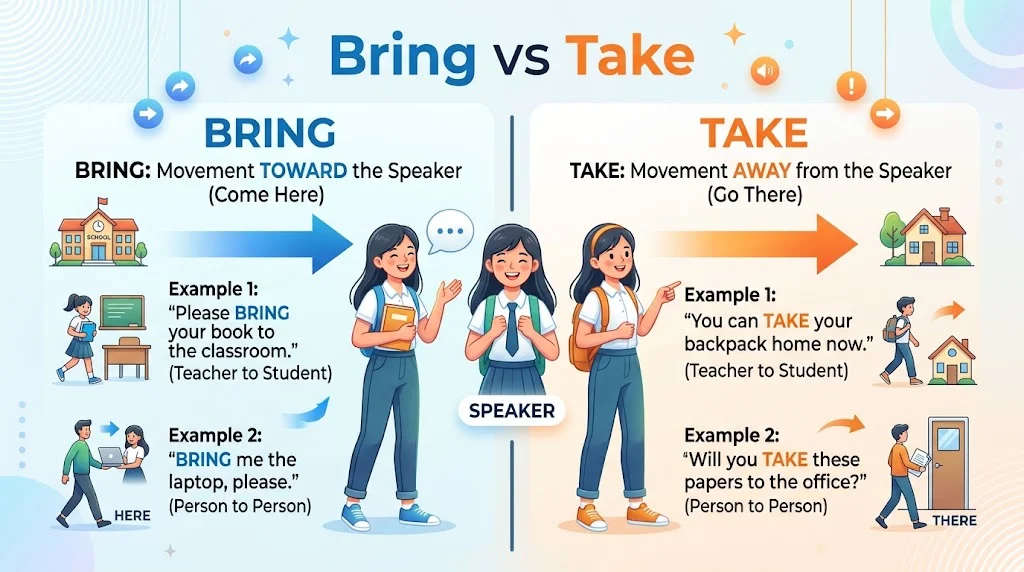
Bring vs Take: Stop Confusing These Commonly Misused Words
Bring vs Take can be confusing because both verbs describe moving something from one place to another. The main difference depends on the direction of … Read More
Bring vs Take can be confusing because both verbs describe moving something from one place to another. The main difference depends on the direction of … Read More
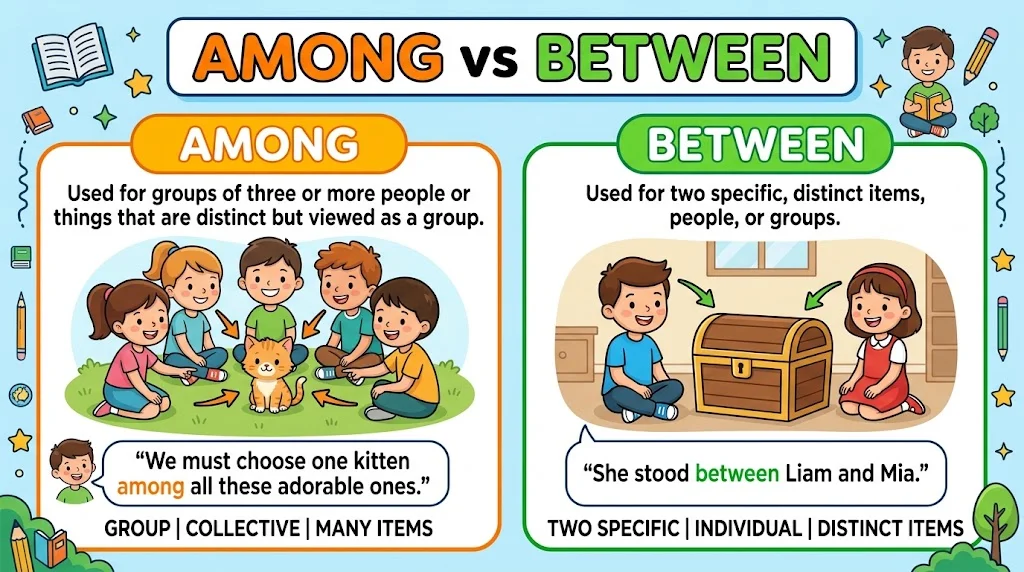
Among vs Between can be confusing because both prepositions describe relationships between people or things. However, among usually refers to someone or something within a … Read More
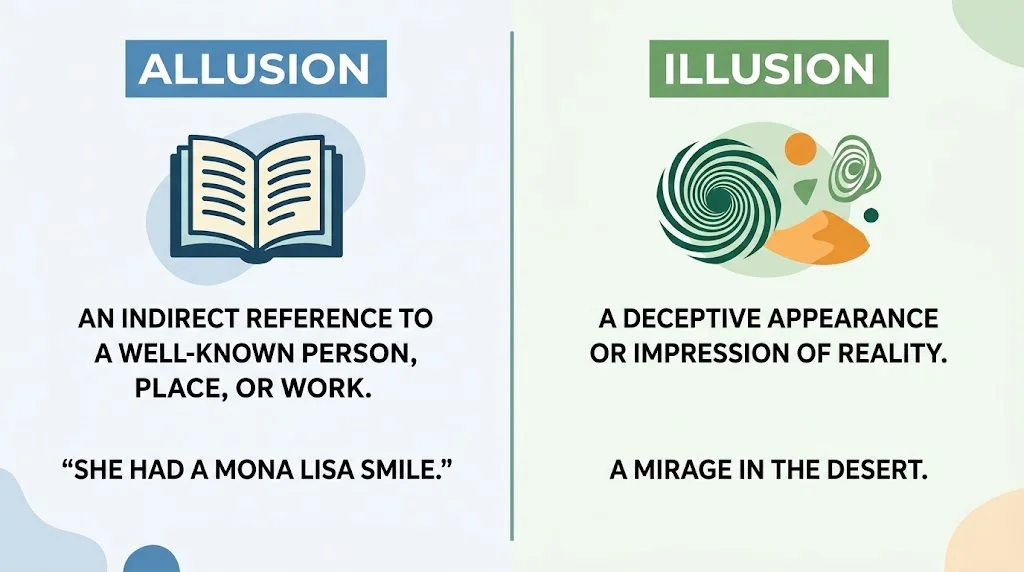
Allusion vs Illusion is a common English vocabulary comparison because these words sound similar but have completely different meanings. An allusion refers to an indirect … Read More

Affect vs effect is a common English grammar confusion because these words sound similar but serve different purposes. Affect is usually a verb meaning to … Read More
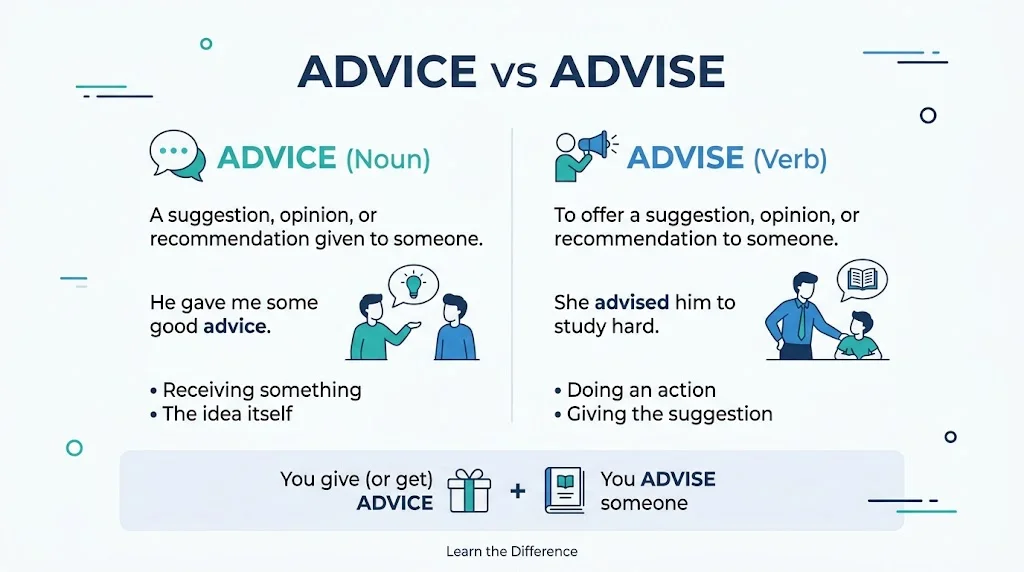
Advice vs advise is a common English grammar confusion because both words have similar spellings and meanings. However, advice is a noun, while advise is … Read More
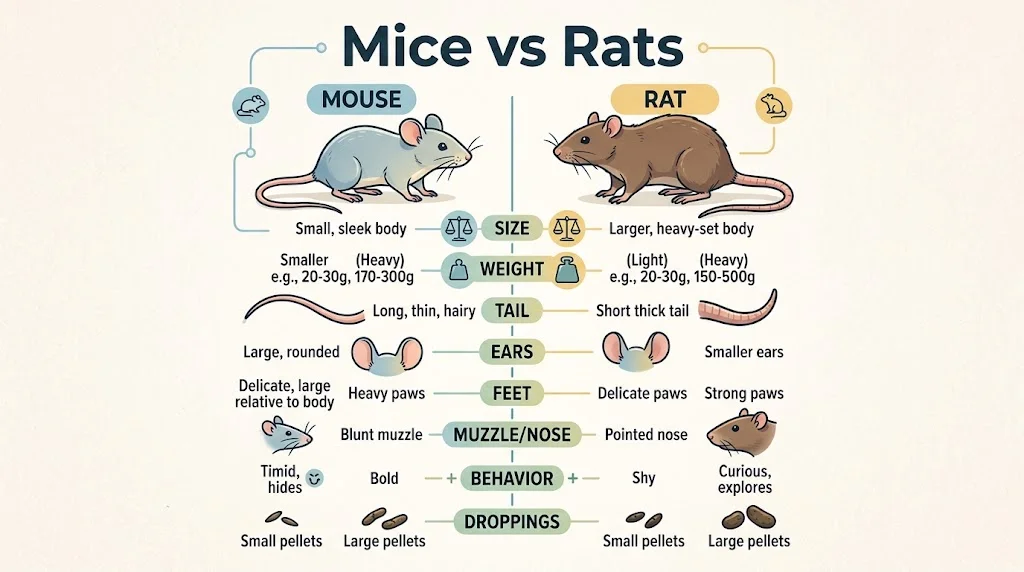
Mice vs Rat vs Mouse can be confusing because these words describe similar rodents but follow different grammatical rules. Although all three terms refer to … Read More
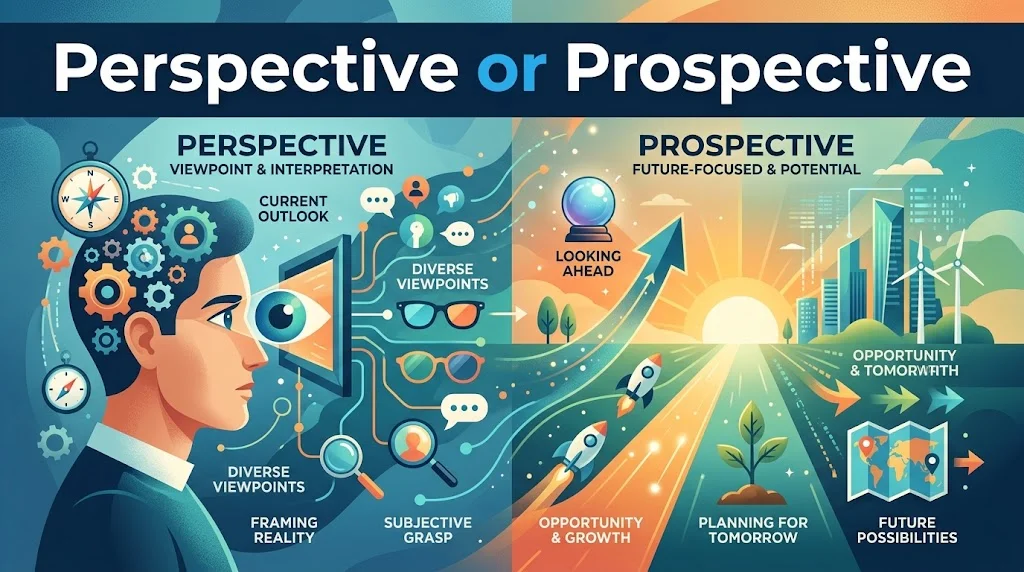
Perspective and prospective are both correct English words, but they have different meanings. Perspective refers to a point of view or way of understanding something, … Read More

Could or can are both correct English words, but they serve different purposes depending on the situation. They can express ability, possibility, and requests, although … Read More
Would or will can be confusing because both words help us talk about actions, possibilities, and future events. However, they express different meanings depending on … Read More
May or can are both modal verbs used to talk about possibility and permission, but they have slightly different meanings and uses. Understanding the difference … Read More
Your creative guide to finding the perfect similes that make every idea, feeling, and description more vivid, engaging, and memorable.
Contact Us