
Loose vs Lose: Meaning, Examples & How to Use Each Correctly
Loose vs Lose is one of those English spelling mix-ups that can change the meaning of an entire sentence. Should you write “My shoes are … Read More
Loose vs Lose is one of those English spelling mix-ups that can change the meaning of an entire sentence. Should you write “My shoes are … Read More

Confused about Lay vs Lie? Discover the simple grammar rules that explain when to use each word, why their past tenses are so tricky, and … Read More
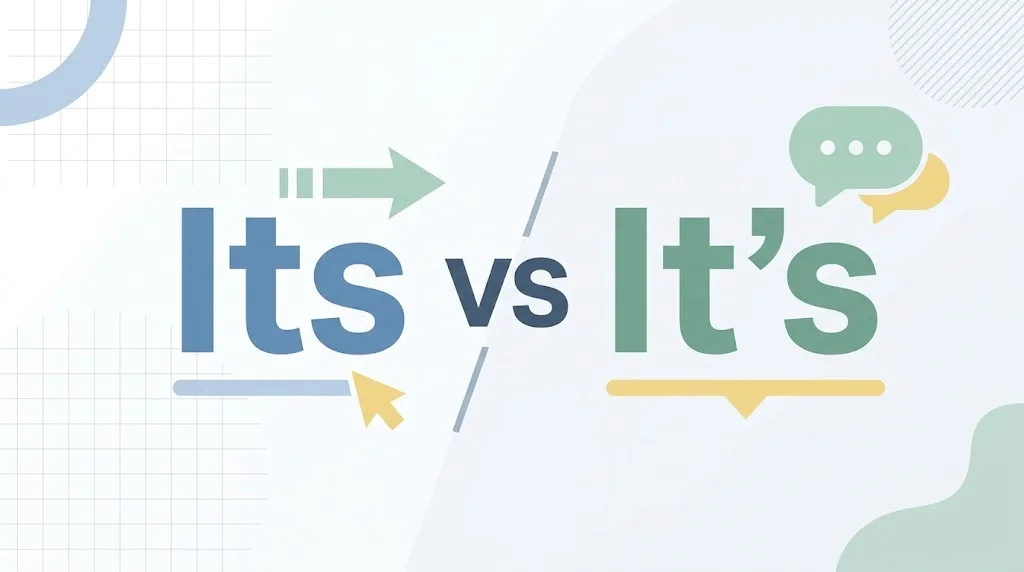
Its vs It’s: Understanding the difference between these two commonly confused words is easier than you think. “Its” shows possession, while “it’s” is a contraction … Read More
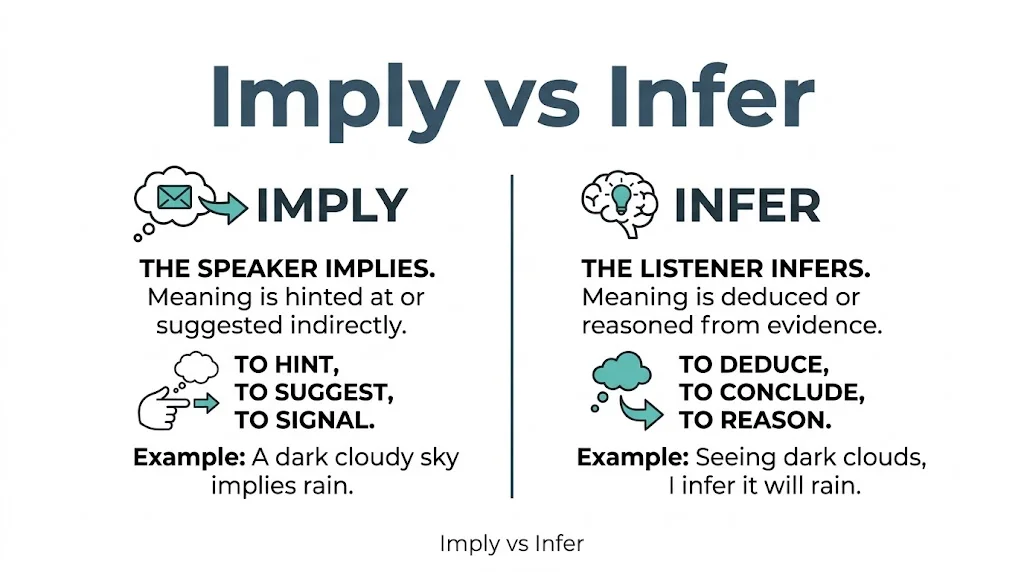
Imply vs Infer can be confusing because both words describe how people communicate and understand meaning. However, they have different roles: a speaker or writer … Read More

Hanged vs Hung can confuse English learners because both words come from the verb hang. However, they serve different purposes. Writers generally use hanged for … Read More
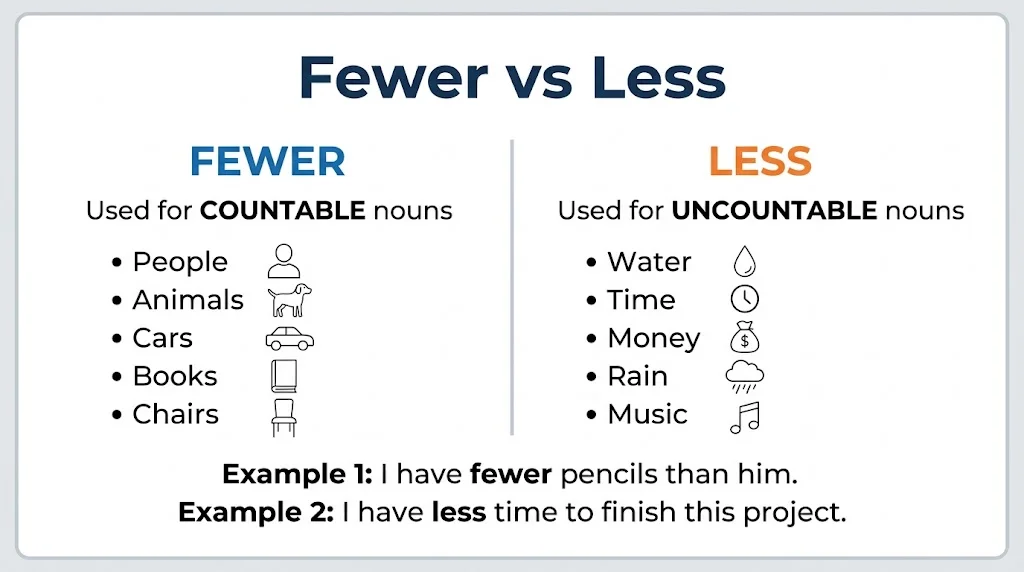
The difference between Fewer vs Less depends on whether you are describing a number or an amount. Use fewer with countable nouns, such as books … Read More

Farther vs further is a common English usage question because both words can describe distance, progress, or something additional. Although they often overlap, farther usually … Read More

Elicit vs illicit is a common word comparison that confuses writers because both words sound alike but have completely different meanings. Elicit means to draw … Read More

Discreet vs discrete: Which spelling is correct, and how can you remember the difference? These commonly confused English words sound exactly alike, but their meanings … Read More
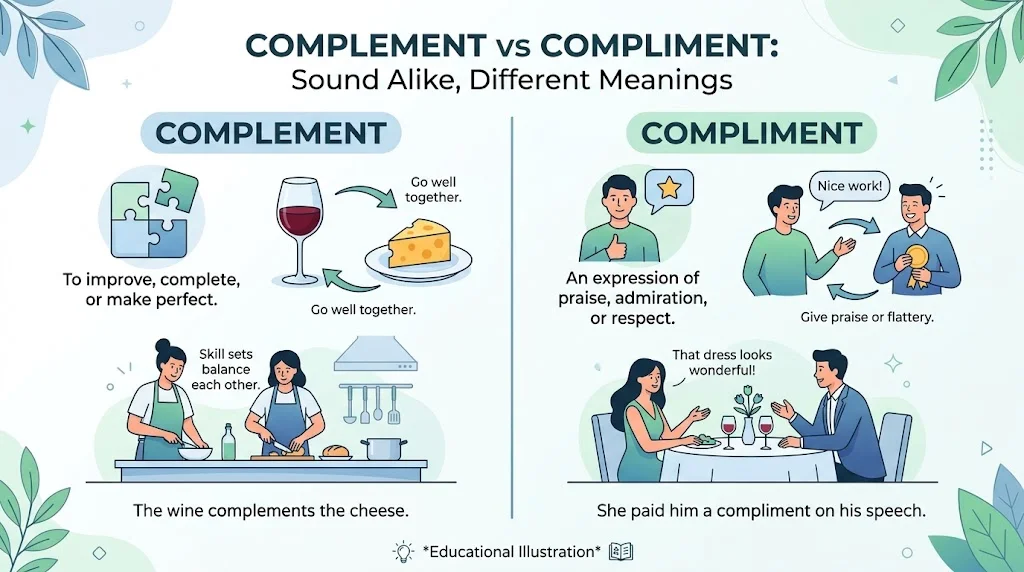
page_card shadow=”0px 0px 18px rgba(0,0,0,0.5)” radius=”12px” margin=”10px 50px” padding=”30px40px”] Have you ever wondered whether to write complement or compliment? These two English words sound exactly … Read More
Your creative guide to finding the perfect similes that make every idea, feeling, and description more vivid, engaging, and memorable.
Contact Us