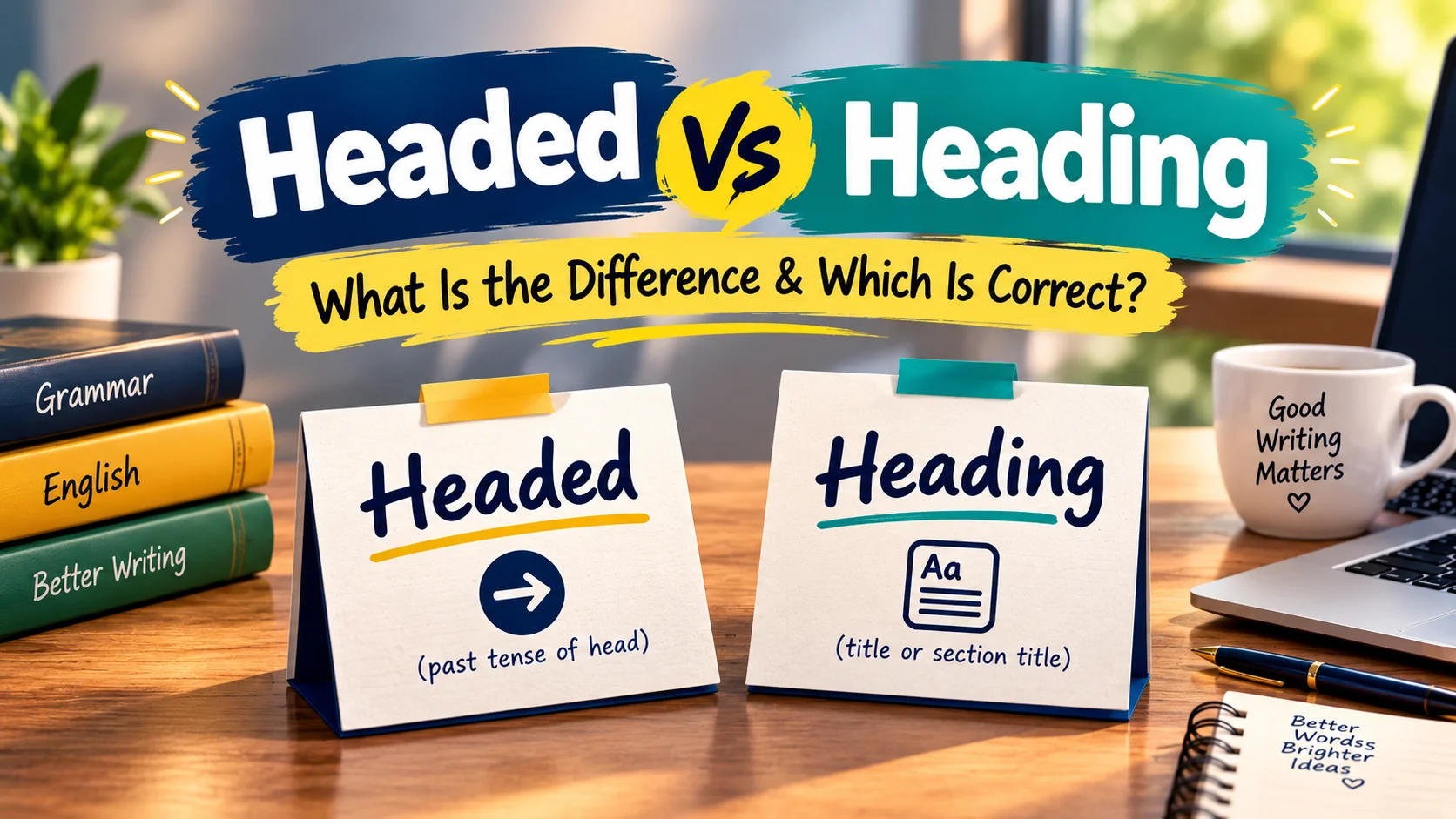
Headed Vs Heading: What Is the Difference & Which Is Correct?
“Headed” and “heading” look almost identical, but they serve different grammatical purposes and can change the meaning of a sentence. Both come from the verb … Read More
“Headed” and “heading” look almost identical, but they serve different grammatical purposes and can change the meaning of a sentence. Both come from the verb … Read More
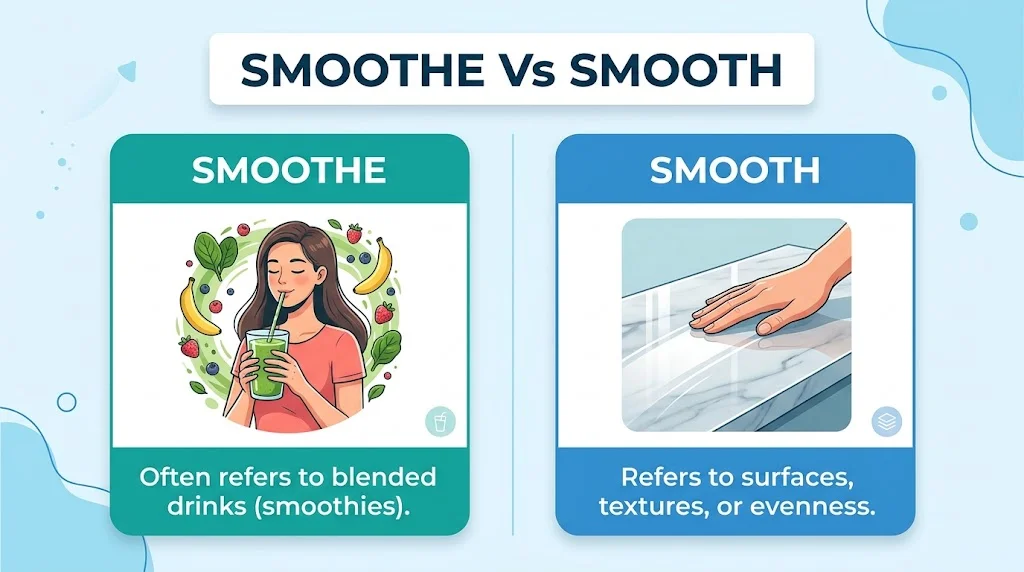
Smoothe Vs Smooth is a common spelling comparison in English. “Smooth” is the correct and widely accepted spelling, while “smoothe” is generally considered incorrect in … Read More
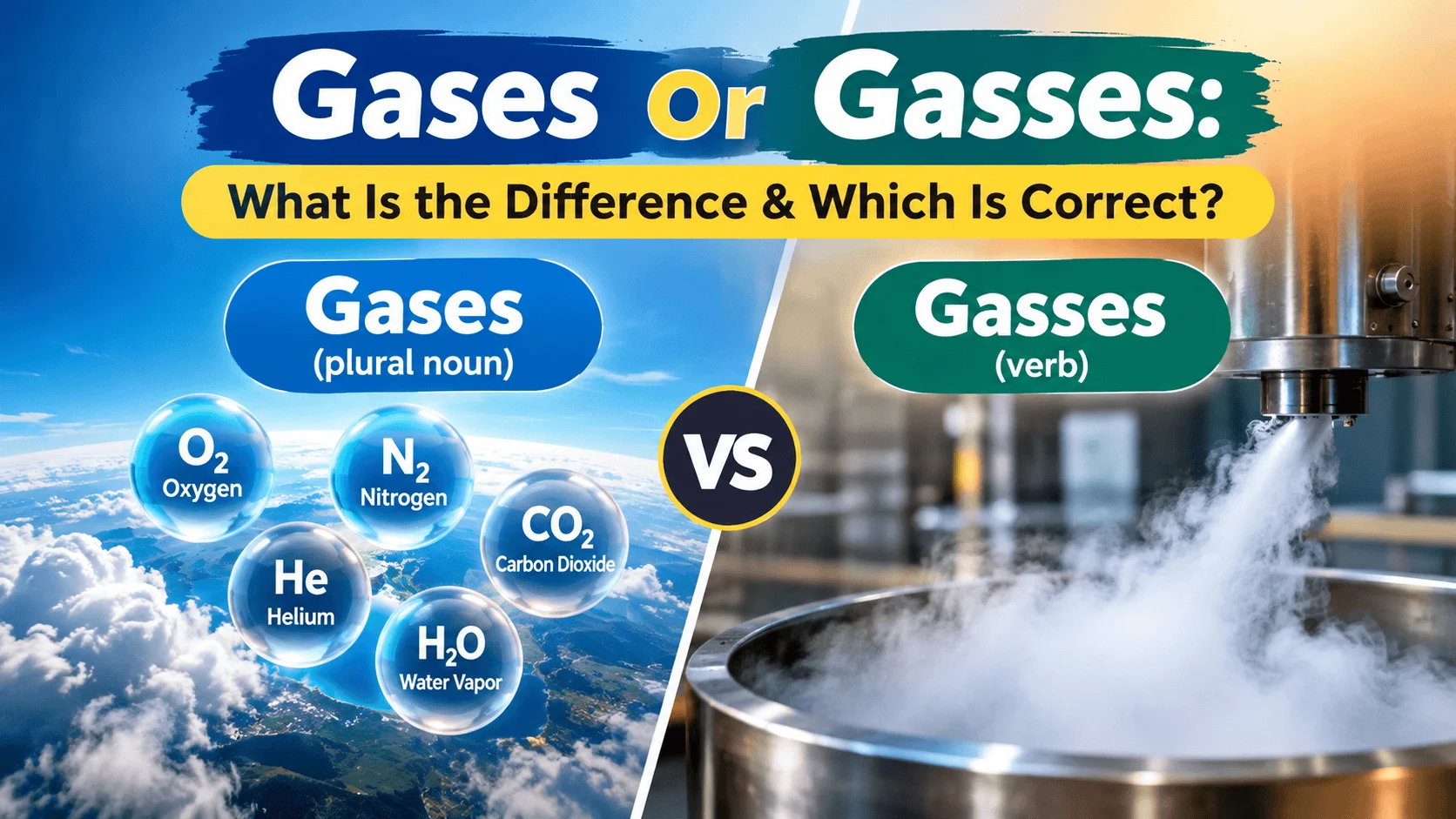
“Gases” and “gasses” look almost identical, but they have different meanings and grammatical uses. Gases is the plural form of gas, while gasses is usually … Read More
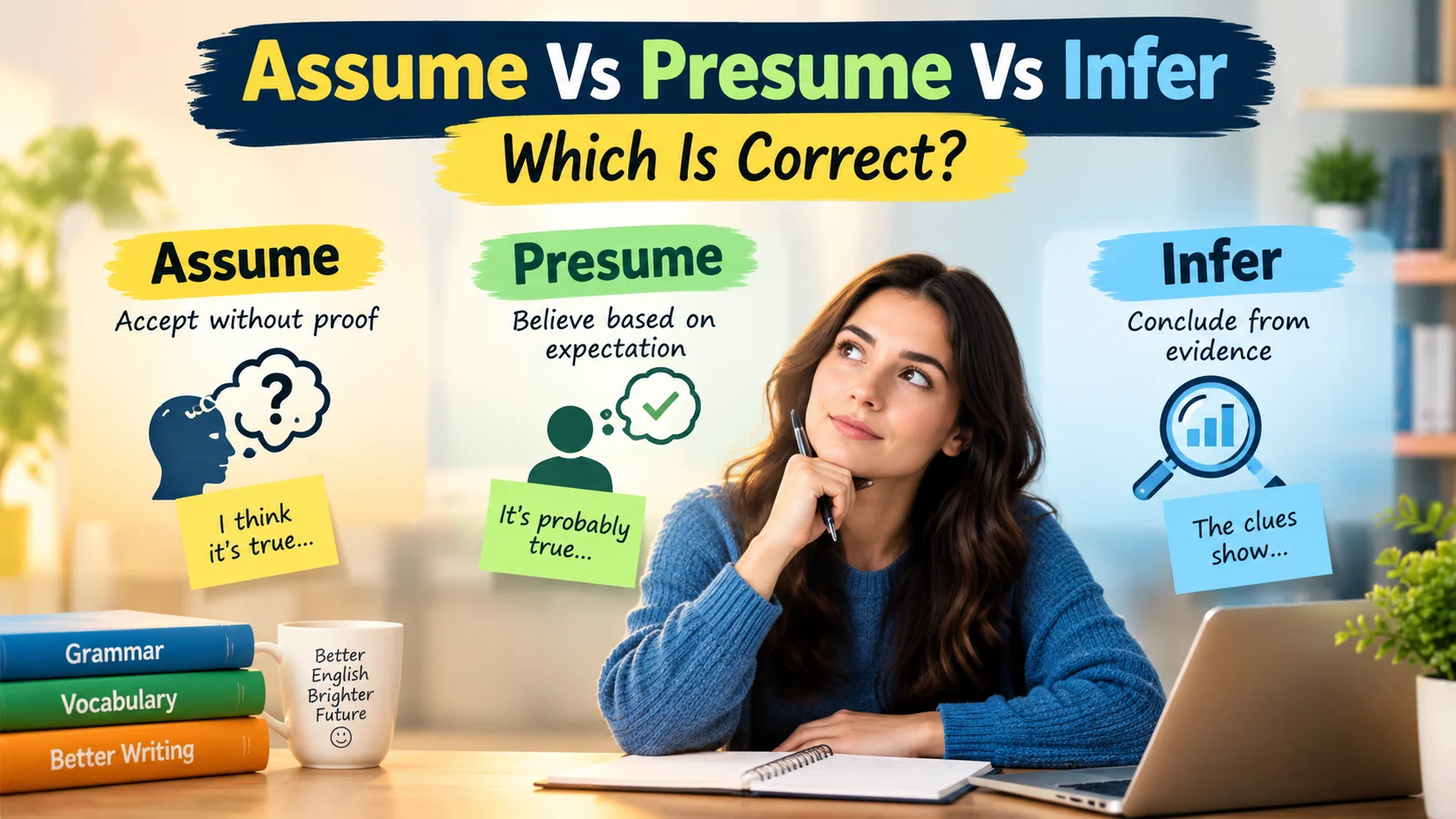
These words can overlap in everyday speech, but Assume Vs Presume Vs Infer have different meanings and uses. Assume usually means accepting an idea as … Read More
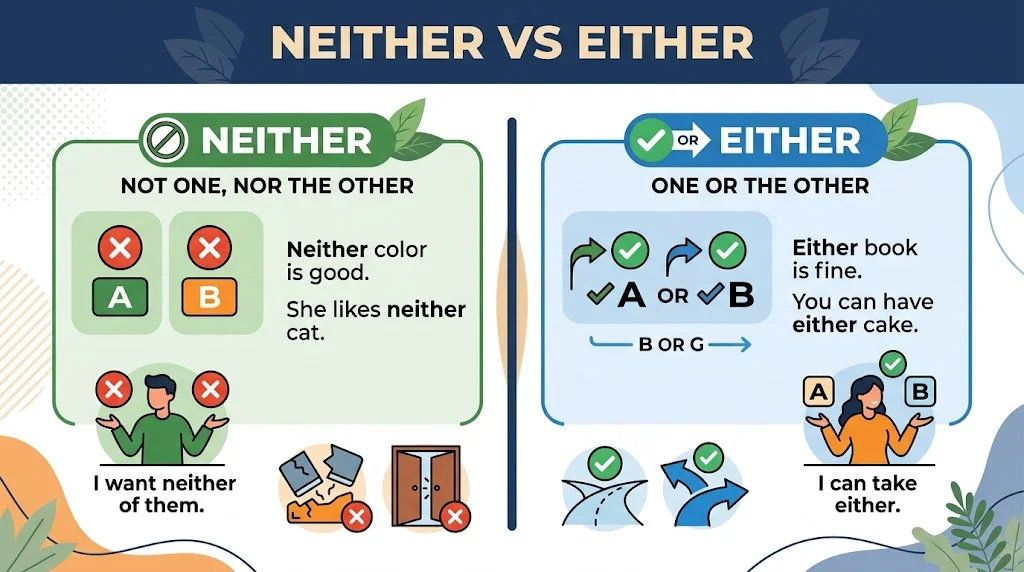
“Neither” and “either” are commonly used when discussing two people, things, or choices, but Neither Vs Either has an important difference in meaning. Either generally … Read More
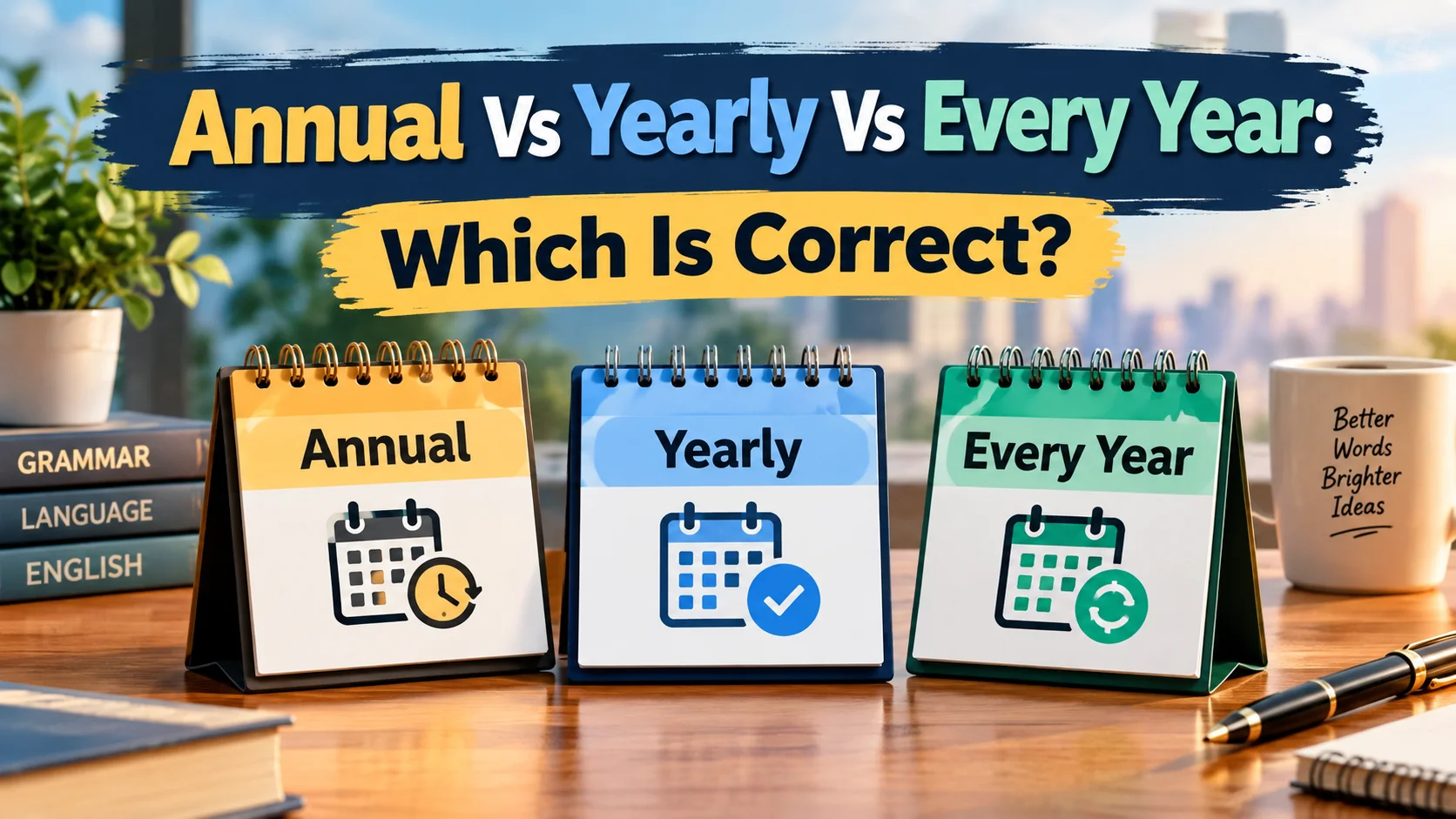
“Annual,” “yearly,” and “every year” all relate to something that happens once within a year, but they are not always interchangeable. Their meanings are closely … Read More

“Screen,” “monitor,” and “display” are often used interchangeably, but they do not always mean the same thing. All three relate to showing visual information, yet … Read More
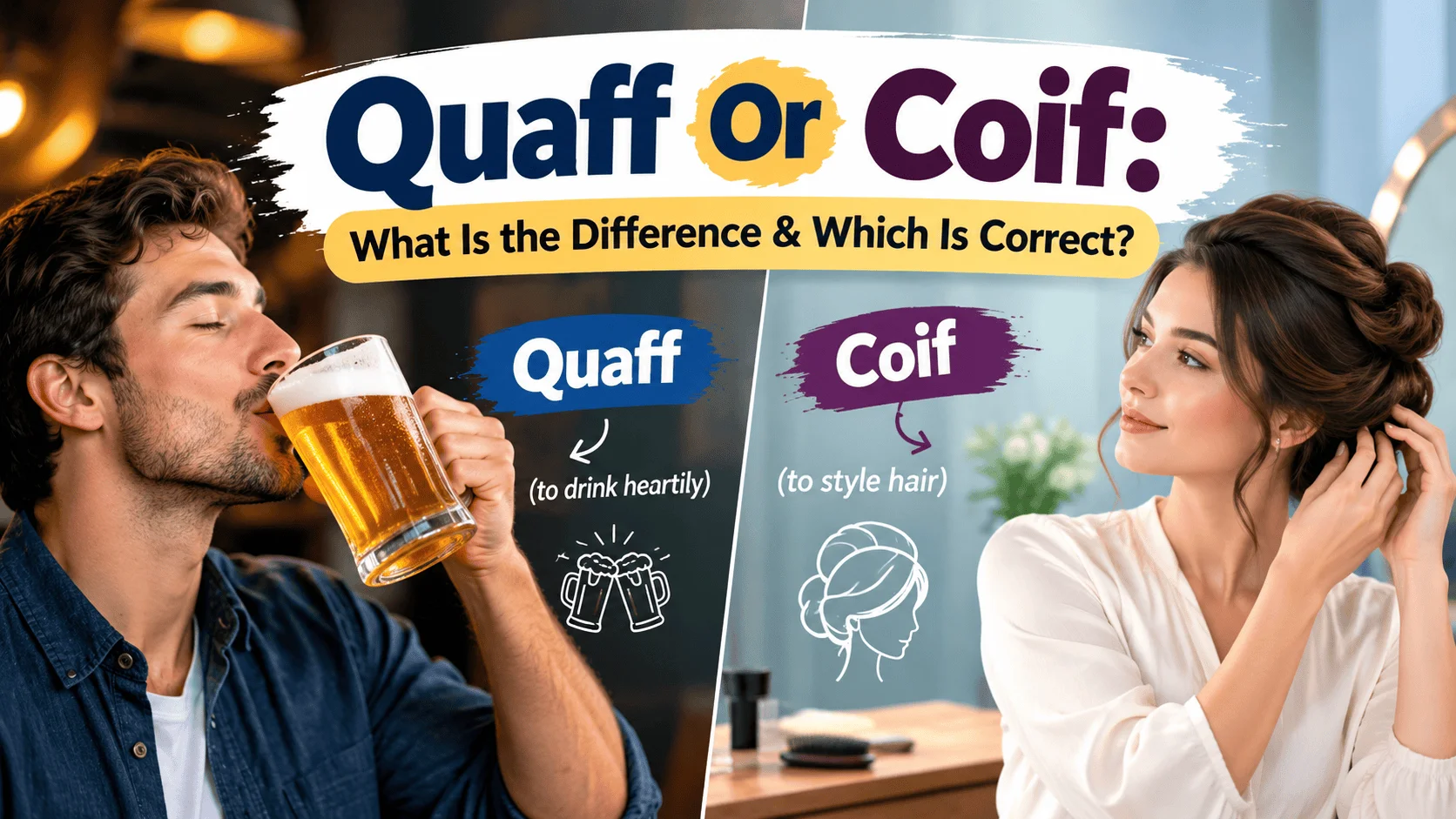
“Quaff” and “coif” look and sound somewhat similar, but they have completely different meanings and uses. Quaff is mainly associated with drinking something heartily, while … Read More
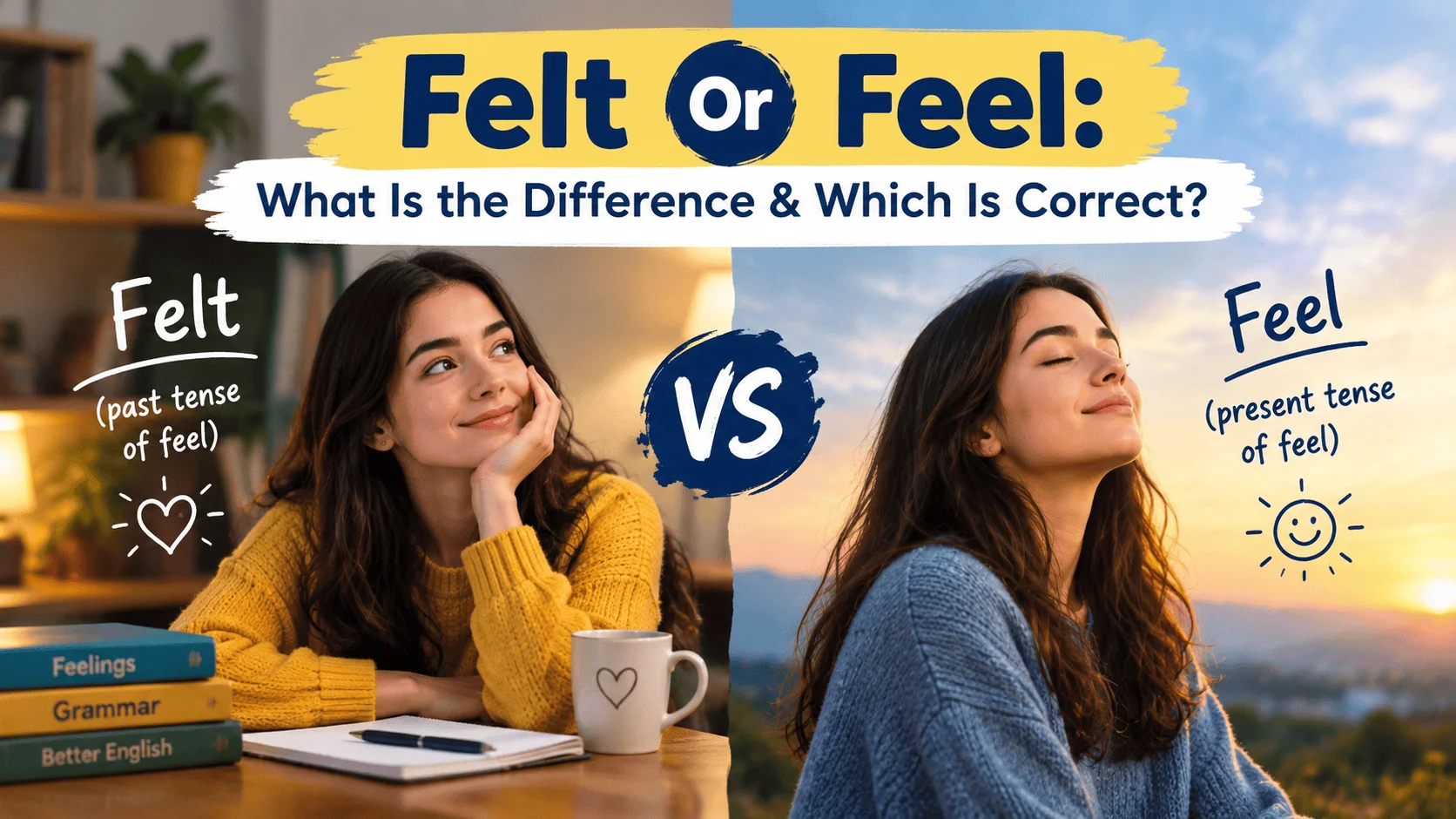
“Felt” and “feel” are both forms of the same verb, but they are used in different grammatical situations. Understanding the difference between them can make … Read More
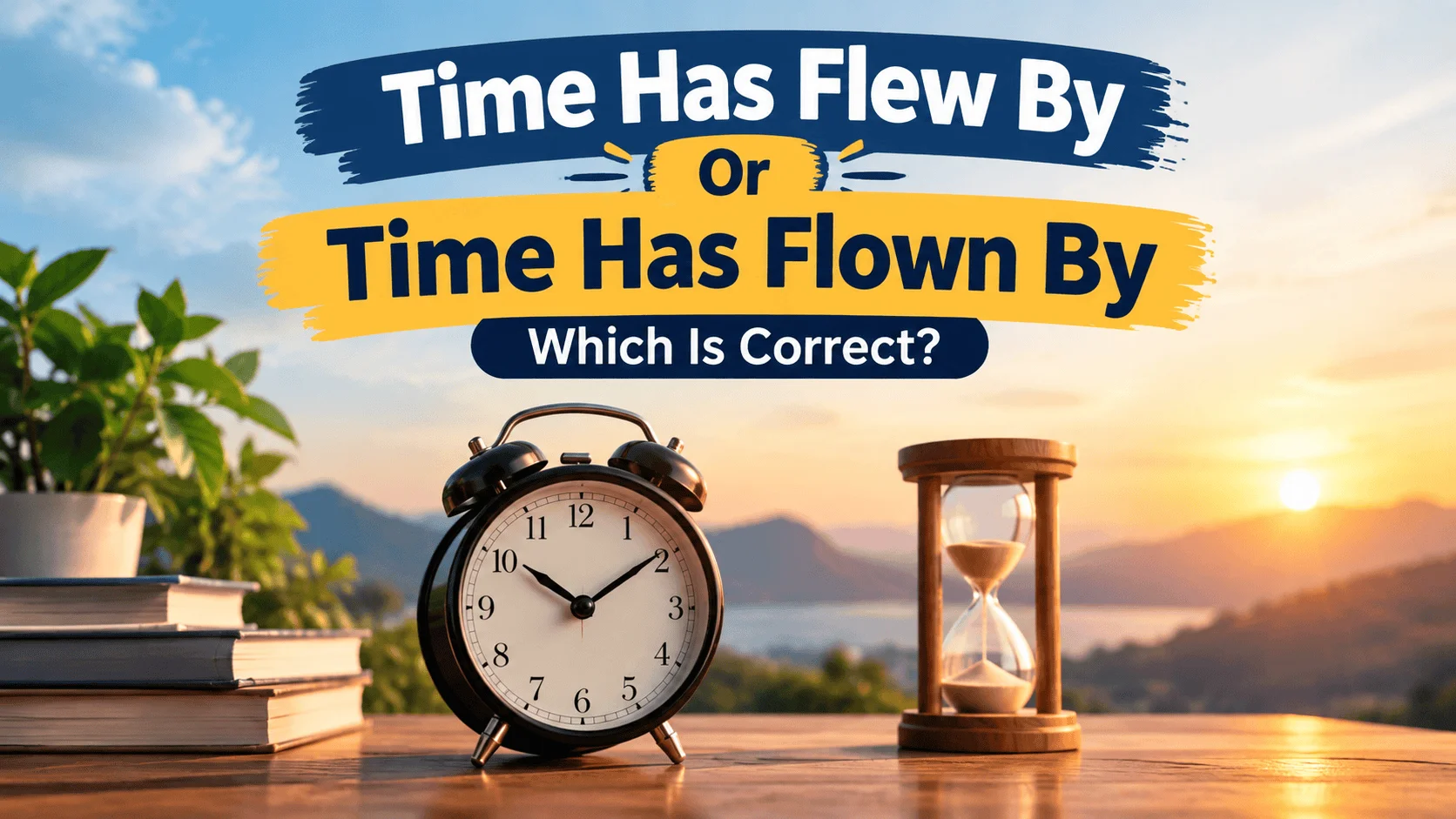
“Time has flew by” and “time has flown by” sound similar, but only one is grammatically correct in standard English. The confusion happens because flew … Read More

Your creative guide to finding the perfect similes that make every idea, feeling, and description more vivid, engaging, and memorable.
Contact Us