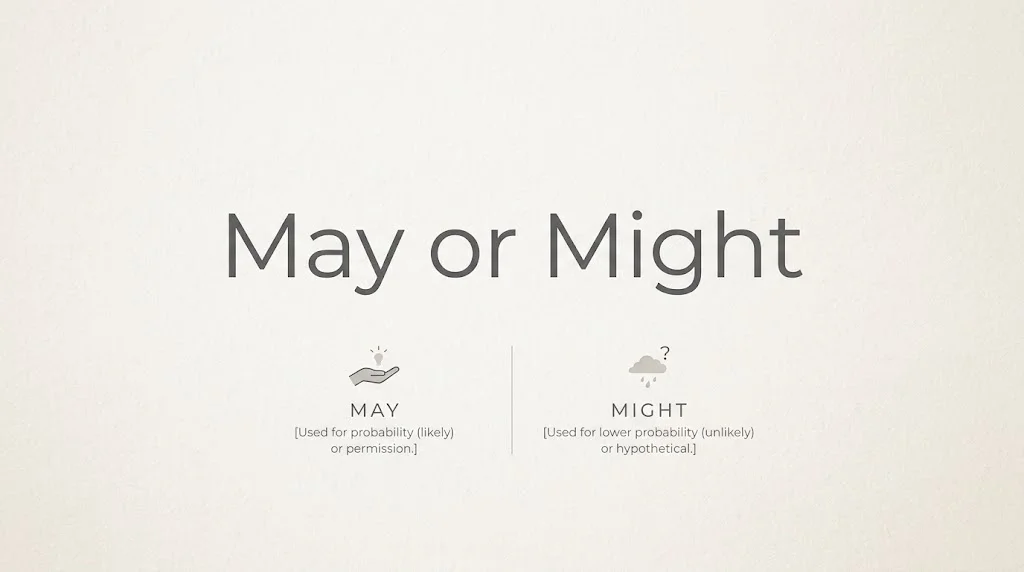
May or Might: Key Differences and How to Use Them Correctly
May or Might can express possibility, but each word has slightly different uses in English. Understanding the difference between May or Might helps you discuss … Read More
May or Might can express possibility, but each word has slightly different uses in English. Understanding the difference between May or Might helps you discuss … Read More

World Class Vs World Class is a comparison of two spellings that express the same general idea of excellence. Both forms suggest outstanding quality, skill, … Read More

The best similes for confident help describe people who believe in themselves, face challenges bravely, and express their ideas without hesitation. These creative comparisons make … Read More

The choice between a hyphenated and an unhyphenated expression can be confusing because both forms appear in everyday English. The correct choice depends on how … Read More
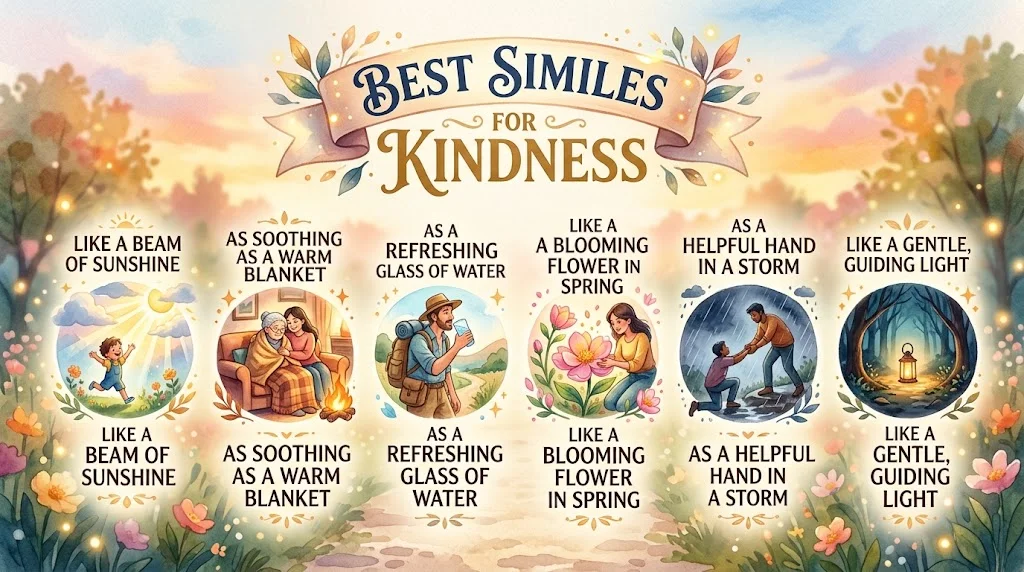
The best similes for kindness describe the warmth, generosity, and compassion that make people feel valued. By comparing kindness with sunshine, gentle rain, a warm … Read More
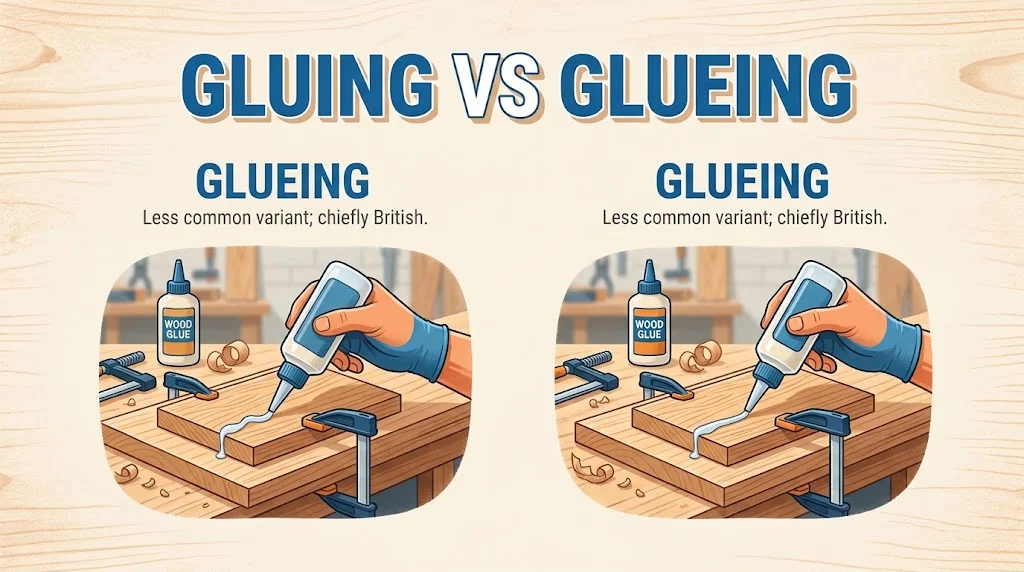
English spelling can be tricky, especially when adding endings changes the way a word is written. One common example is Gluing vs Glueing, where two … Read More
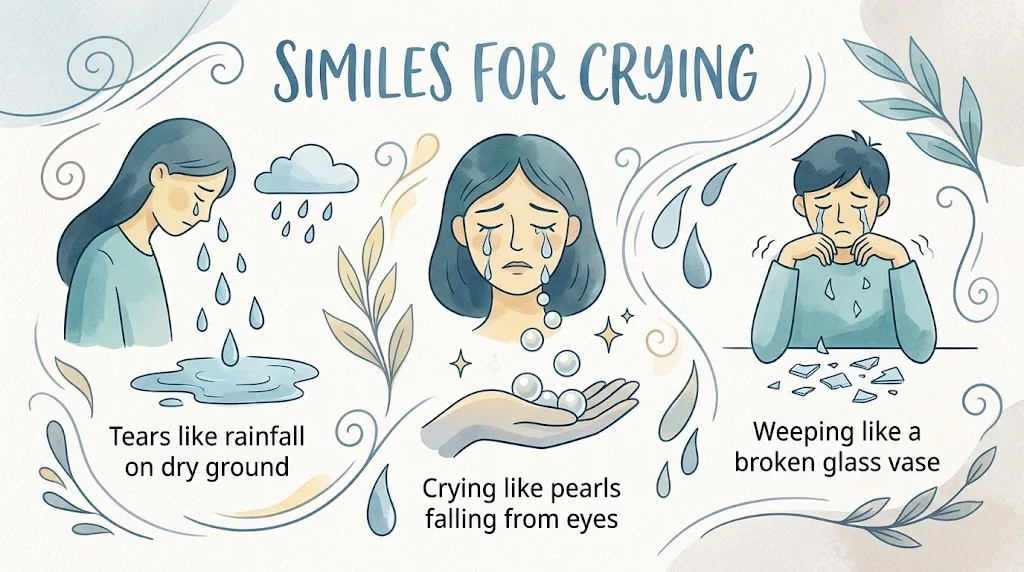
Similes for crying make descriptions more vivid by comparing tears, sobs, or emotional reactions to familiar images and experiences. They help readers understand how someone … Read More
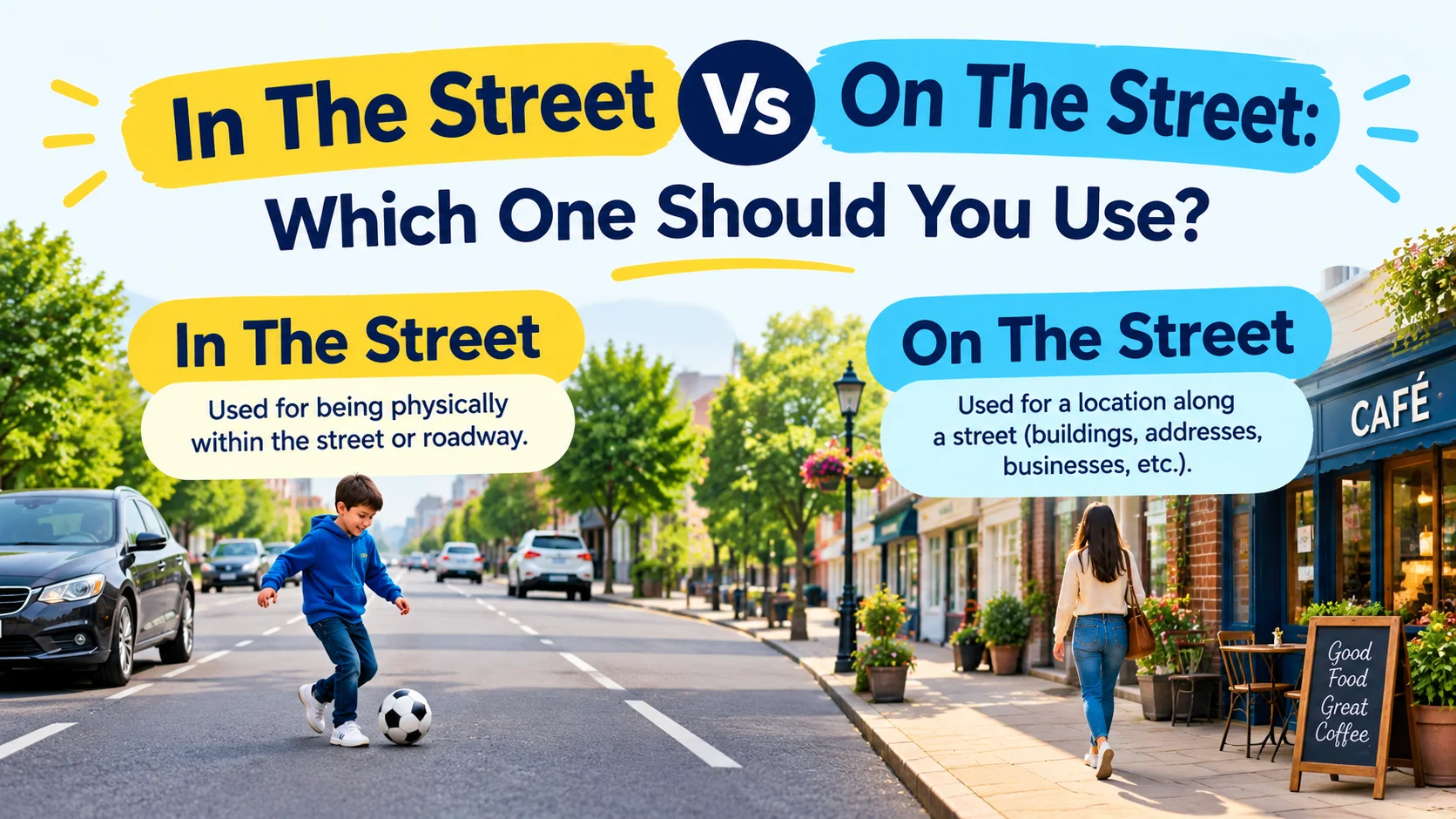
“In the street” and “on the street” are both correct English expressions, but they are not always interchangeable. The difference usually depends on whether you … Read More
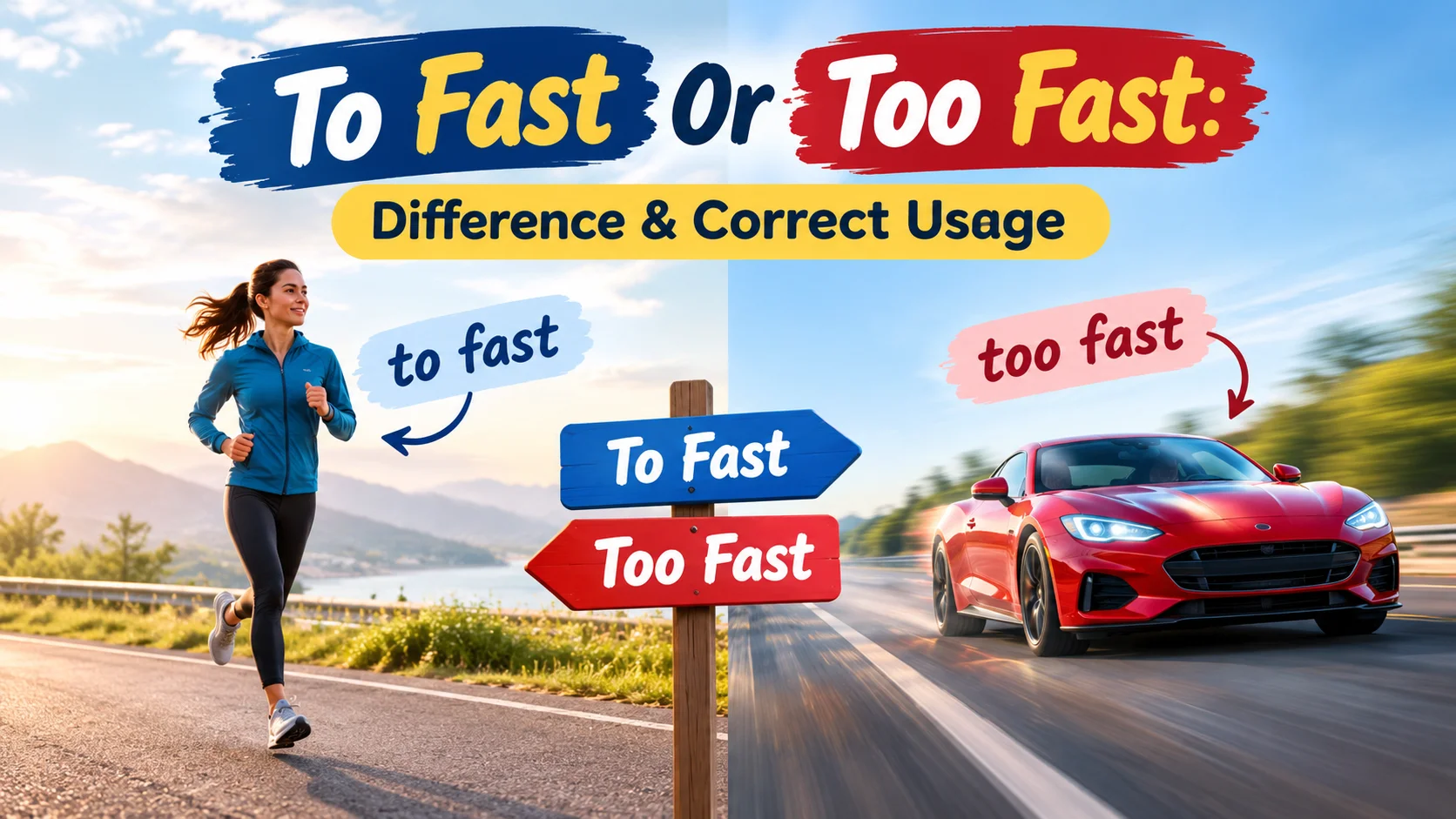
To Fast or Too Fast can be confusing because “to” and “too” sound alike but have different meanings and grammatical roles. One expression refers to … Read More
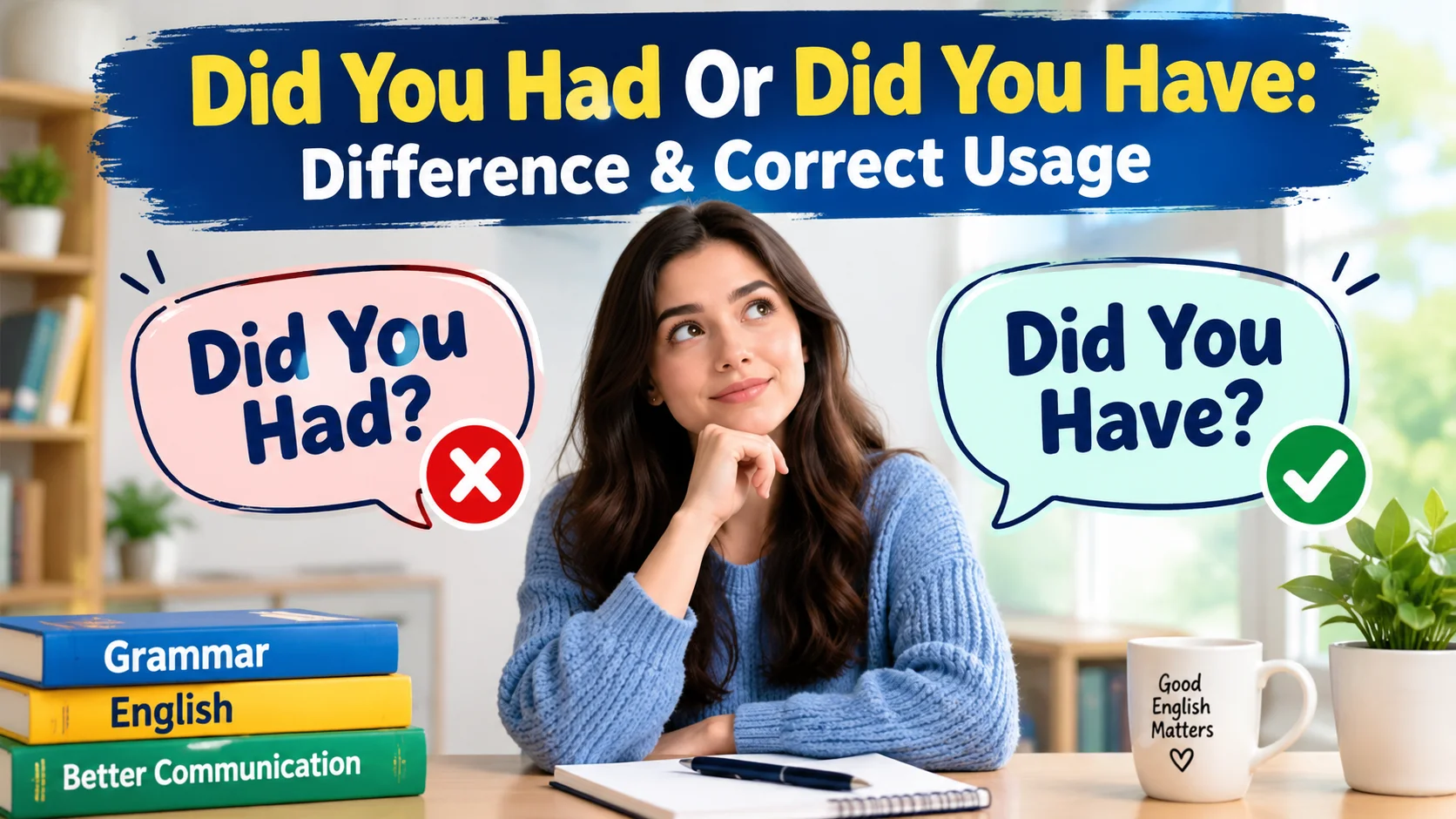
Have you ever wondered whether to say “Did You Have” or “Did You Had” in a question? This is a common grammar mistake because did … Read More
Your creative guide to finding the perfect similes that make every idea, feeling, and description more vivid, engaging, and memorable.
Contact Us