Would or Will: What Is the Difference & Which One to Use?
Would or will can be confusing because both words help us talk about actions, possibilities, and future events. However, they express different meanings depending on … Read More
Would or will can be confusing because both words help us talk about actions, possibilities, and future events. However, they express different meanings depending on … Read More
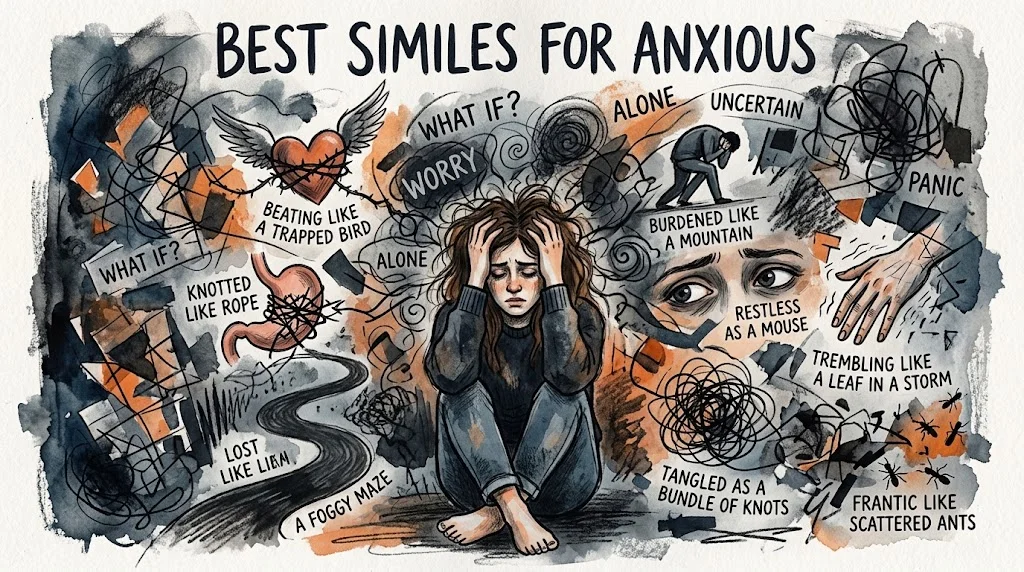
Feeling anxious can make ordinary moments seem overwhelming, from waiting for important news to speaking in front of a crowd. The best similes for anxious … Read More
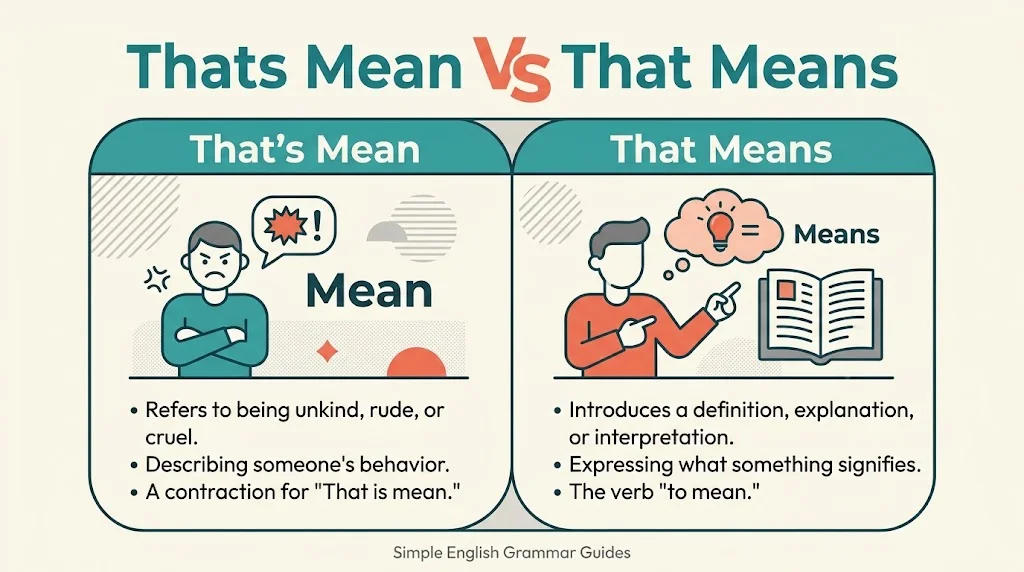
“Thats mean” vs “that means” is a common grammar confusion for English learners. Both expressions may look similar, but only one is grammatically correct in … Read More
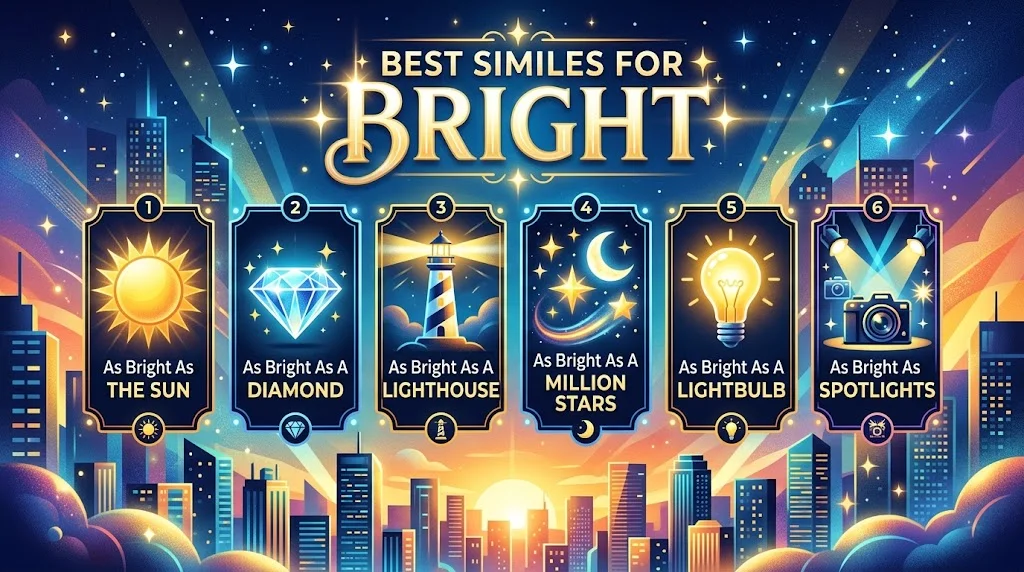
Best similes for bright help writers describe light, intelligence, happiness, and vivid colors in creative ways. These comparisons make descriptions more engaging by connecting brightness … Read More
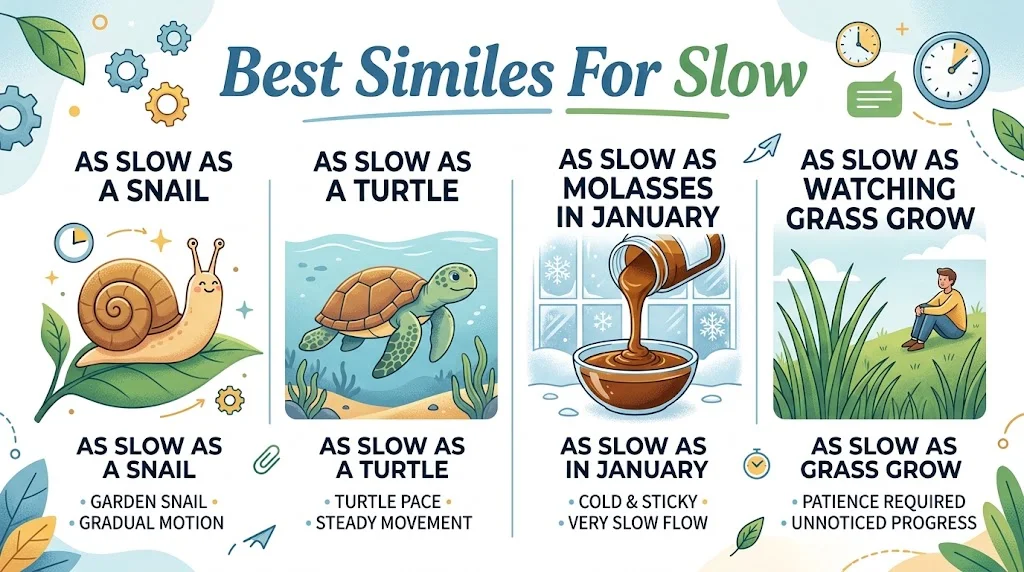
Best similes for slow in writing help readers understand the pace of a person, animal, object, or activity through simple and memorable comparisons. Whether you … Read More
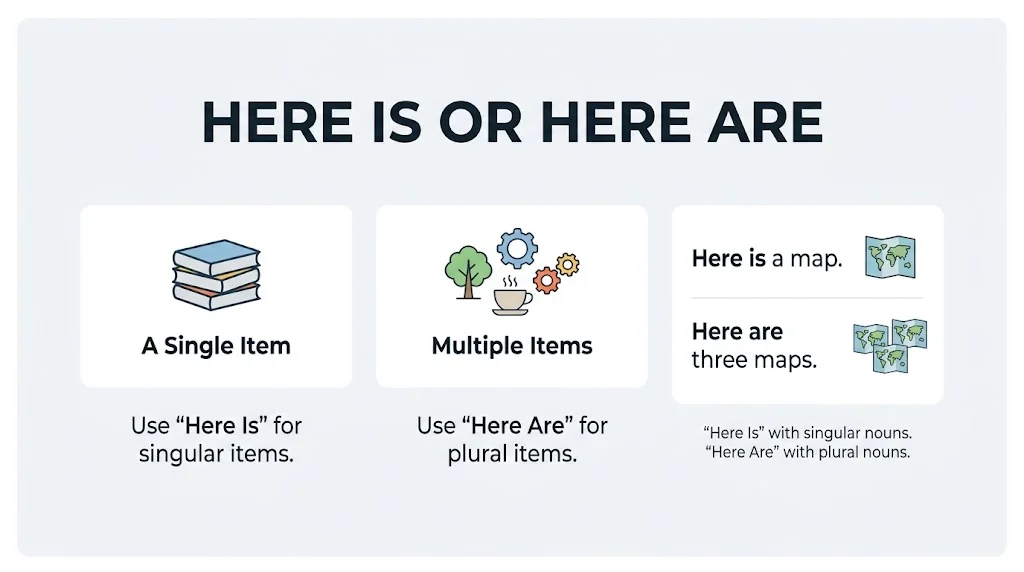
“Here is” and “here are” are both correct English expressions, but they are used in different situations. The main difference is whether you are introducing … Read More
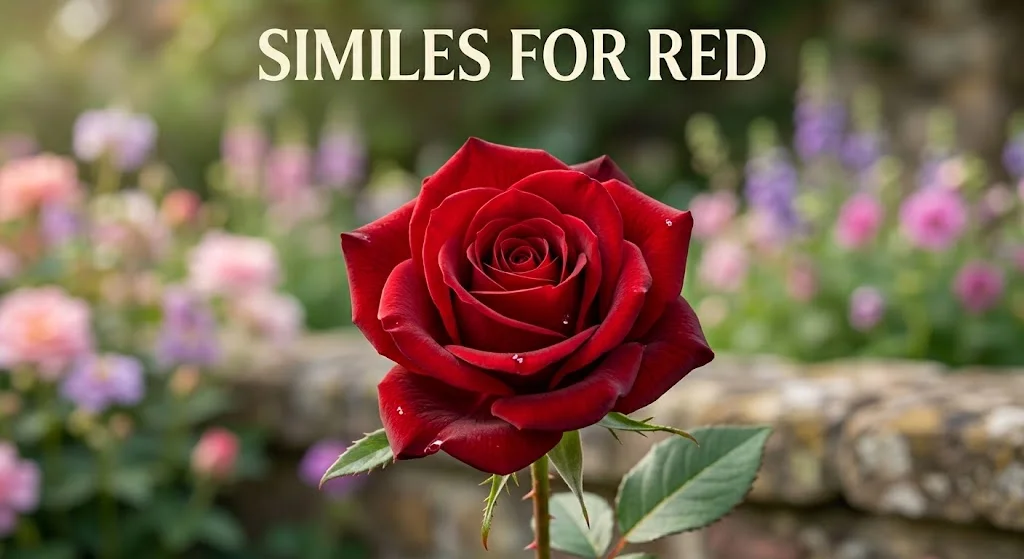
Similes for red help writers describe color with more emotion, detail, and imagination. Instead of simply saying something is red, you can compare it with … Read More
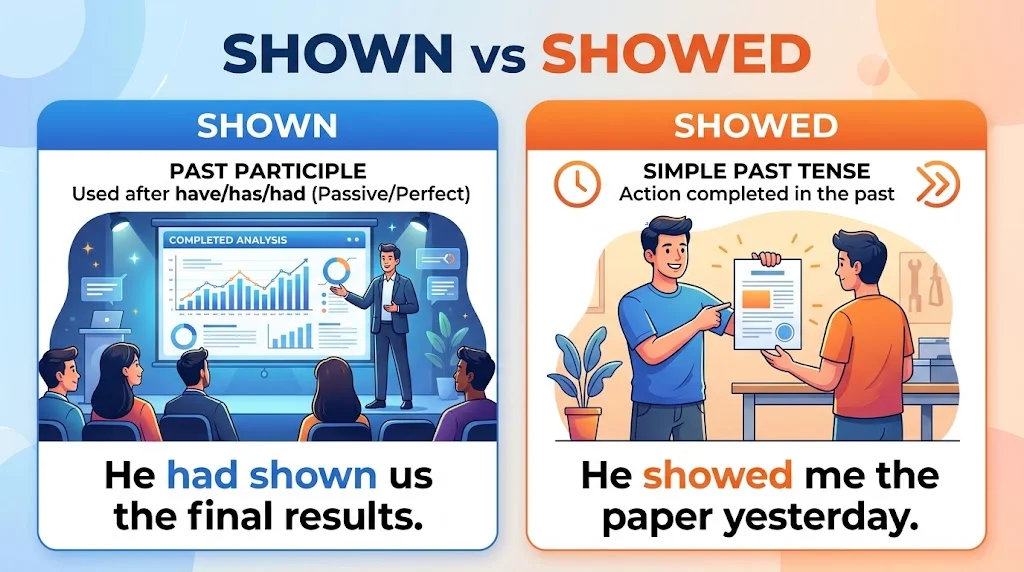
English learners often mix up two forms of the verb show because they look similar but follow different grammatical rules. Shown Vs Showed is a … Read More
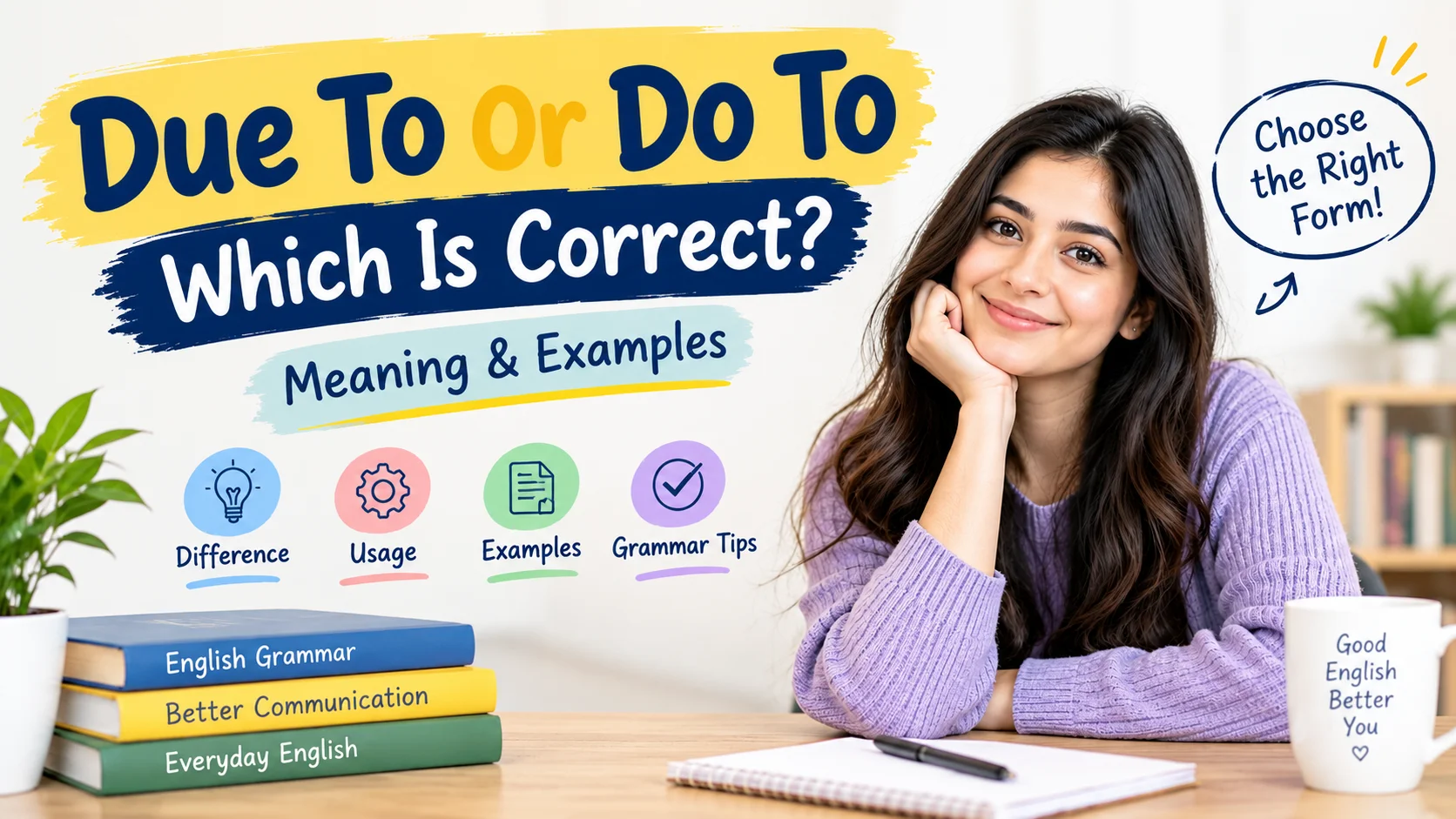
“Due to” and “do to” look and sound similar, but they have very different meanings and grammatical roles. Due to is a standard phrase used … Read More
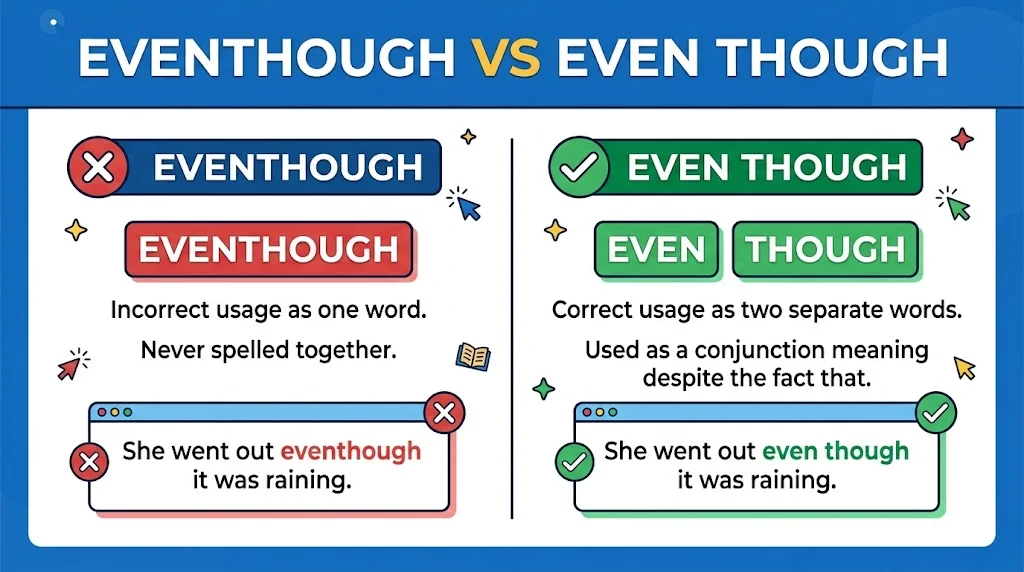
Some English expressions look correct at first glance but can lead to common spelling mistakes. Even though is one such phrase that often confuses because … Read More
Your creative guide to finding the perfect similes that make every idea, feeling, and description more vivid, engaging, and memorable.
Contact Us